Murihiku Mahi & Rural Wrap
Environment Southland's regional round-up.
Your voice matters: Shape the future of Murihiku Southland
Environment Southland Chair Jeremy McPhail in Waikaka Valley
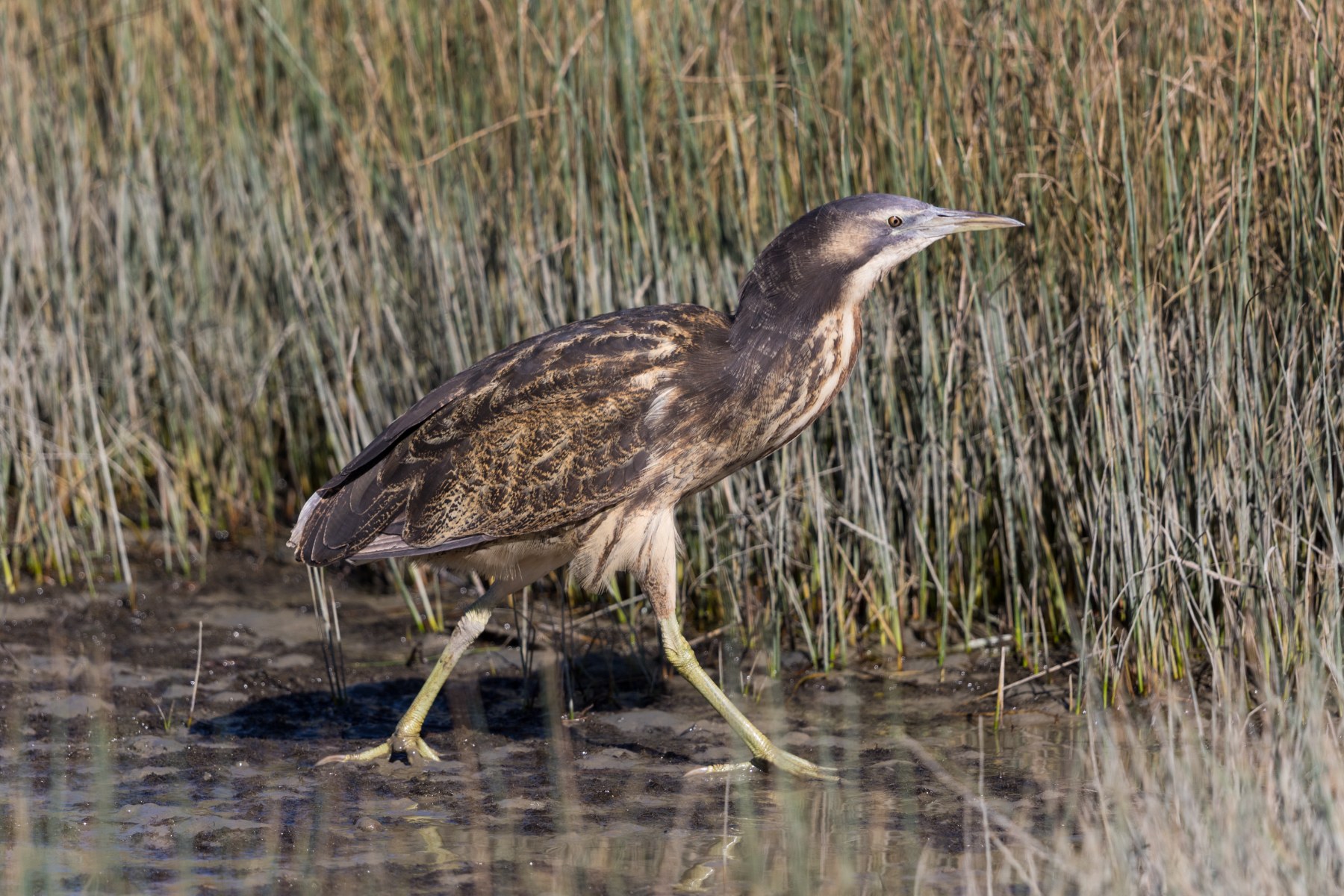
The matuku-hūrepo is one of New Zealand’s rarest birds and Murihiku
Southland is one of its strongholds. You may never see a matuku, but you might hear one. Their distinctive booming call can reveal their presence in wetlands and we’re calling on Southlanders to help locate them.
Matuku are stocky, heron-like birds that can stand around 74cm tall. They have brown, beige and white stripes that help them hide in the tall grasses of a wetland. They are threatened-nationally critical and it’s estimated there are less than 1,000 in New Zealand.
Environment Southland has acoustic monitoring equipment we can set up to help detect this nationally critical species across Southland. Every recording helps build a better understanding of where matuku live and how we can protect them. If you’re interested in working with us to discover these important birds on your property with monitoring equipment, give us a call on 0 800 76 88 45 or email service@es.govt.nz
Compliance and safety focus for whitebait season
Whitebait season is underway, with hopeful whitebaiters back on Murihiku Southland’s riverbanks.
Environment Southland’s compliance team has now completed monitoring and education visits across the Waikawa, Mataura, Titiroa, Pourakino and Aparima rivers, checking that whitebait stands are safe, well-maintained and meeting consent requirements.
Environment Southland Compliance Manager Donna Ferguson says the visits were about supporting stand owners and protecting the waterways that sustain Southland’s whitebait fishery.
“Whitebaiting is an important Southland tradition, and we want people to have a successful season while ensuring stands remain structurally sound, securely anchored and clearly identified,” she says.
Deputy Harbourmaster Conrad Adams says safety should also remain front of mind around rivers, where conditions can change quickly. “With stands, nets, boats and people sharing the same areas, please look after yourself and others, and show patience and courtesy,” he says.
Report these pests
Pest animal, Rook.
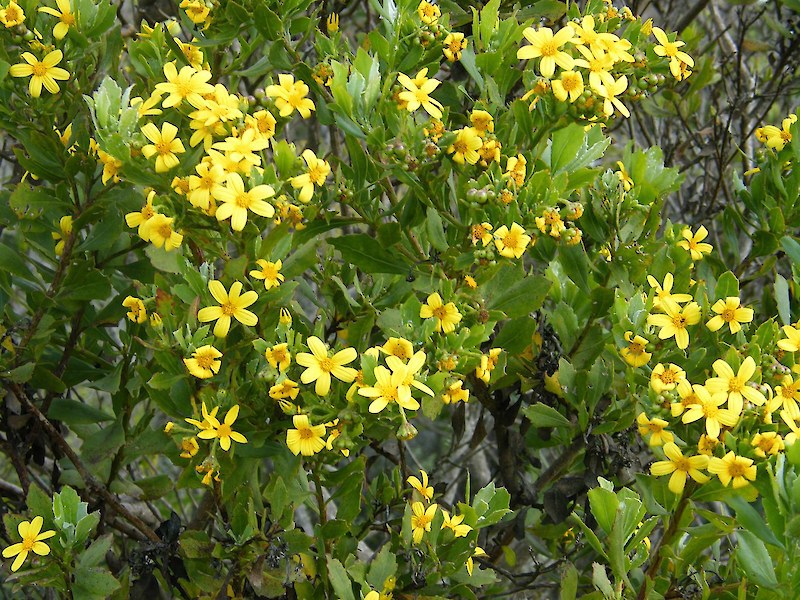
Boneseed is starting to flower now – keep an eye out! Look for its bright yellow, daisy-like flowers, which are a useful sign when identifying this invasive coastal shrub.
Boneseed is an exclusion plant and must be reported if found. A single plant can produce up to 50,000 seeds a year, so spotting it early is key. Let’s keep boneseed out of Southland.
If you see or suspect either of these pests, you must report the sighting to Environment Southland immediately at www.pesthub.es.govt.nz
Congratulations to our finalists
Upcoming meetings
Thursday 1 October
10.00am – Strategy & Policy Committee
1.00pm – Risk & Assurance Committee
This meeting will be held with the public excluded.
Wednesday 14 October
10.30am – Ordinary Meeting of Council
Wednesday 21 October
10.00am – Regulatory Committee
1.00pm – Risk & Assurance Committee
Environment Southland council meetings are held in the Council Chambers, corner of North Road and Price Street, Invercargill. To watch online, head to www.es.govt.nz/Live
Changes to this schedule will be advertised on our website at www.es.govt.nz/about-us/meetings