Doing the mahi to ward off native plant threatening islands’ taonga
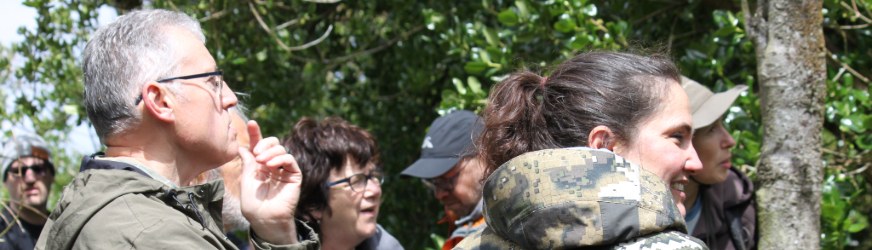
For Tāne Davis (Ngāi Tahu) watching his whānau and other Rakiura Māori working to revitalise the biodiversity and mana of the Tītī Islands reaffirms his commitment to the mahi (work) has a kaitiaki (guardian) for future generations.
The Davis family has long been involved in protecting the taonga of the islands, including tītī (muttonbirds), especially Tāne’s parents Jane and Bill, who met while muttonbirding.
For Tāne, the first sight of taupata on the Tītī Islands felt like an invasion, a threat to the mauri (natural balance/life force) of the islands.
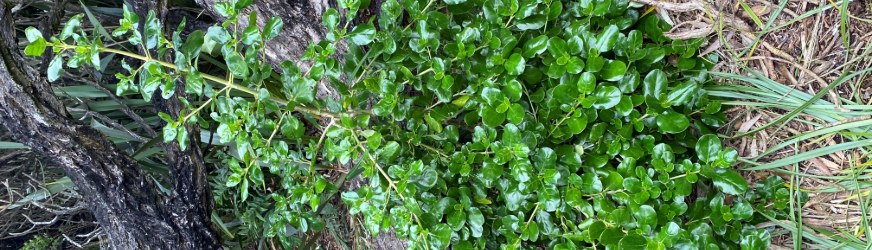
Taupata (Coprosma repens) is a lowgrowing shrub or small tree that thrives in coastal habitats. It has spread from the South Island, across Te Ara a Kiwa/ Foveaux Strait, and taken root on many of the islands, crowding out iconic native flora and endangering the fragile habitat of tītī (muttonbirds).
This native plant not only threatens the islands’ unique ecosystems but also saddens Rakiura Māori, who as kaitiaki guardians, feel a deep responsibility for the wellbeing of the motu (islands), says Tāne, the chair of the Rakiura Tītī Islands Administering Body.
“The islands are a way of life to us Rakiura Māori, and our whānau. They connect us to exercise our customary practices.”
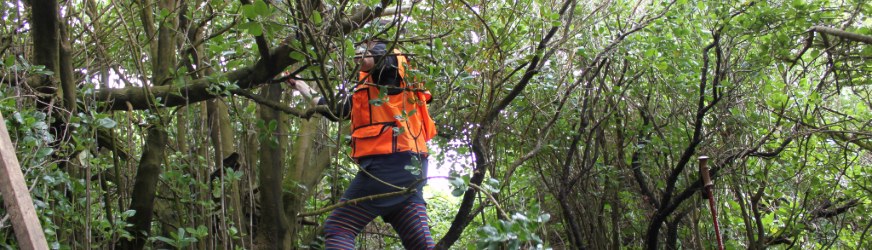
Now, mahi is underway to figure out how to combat this threat.
“The presence of taupata was out of character with the biodiversity of the islands.”
Tāne says taupata has gone from being newly present on one island in the 1970s to being the dominant plant by the 2020s, with all of the islands to the northeast of Rakiura now host to the plant.
There are also reports from whānau on other Tītī Islands that seedlings have been found and removed.
“We are treating this issue very seriously - but it is a sad time for us as we witness the devastation caused by taupata on a few islands,” Tāne says.
Taupata had an original range through the North Island and top of the South Island. It is now widespread across the South Island, Rakiura Stewart Island, and the Chatham Islands, spread by people and birds.
It can outcompete some of the iconic plants on the Tītī Islands such as tētēaweka, tūpare, and muttonbird scrub/pūheretāiko.
“In the process of doing so, muttonbird scrub has gone from being very common to only a few small individuals remaining, and the population of tētēaweka has reduced significantly.”
“This is changing the ecology of the islands,” Tāne says.
The spread of taupata isn’t just a threat to flora on the islands, it also effects seabirds, particularly taonga species like tītī.
Taupata grows in a way that means seabirds can get caught in its canopy and roots, and end up dying there, Tāne says.
“Birders also report that burrow stabilityis decreased under taupata as the groundbecomes extremely fragile.”
This is causing concern among birders about what it could mean for the birds.
As tītī nest in burrows, there could be an impact but there is no data to support this yet.
“Our own instinct from a matauranga (Māori knowledge) perspective, is there will be an impact to tītī nesting areas.
The coverage of taupata over the whenua (land) could deny the establishment of new burrows.
Also, an effect below the whenua where there will be an increase of taupata root systems,” Tāne says.
The kaitiaki guardians of these islands have been working for decades to eradicate predators, so they are not going to let this plant destroy their taonga.
“It is a case of the wrong plant in the wrong place, so at the end of the day it is a dangerous invader, so we are treating it as that.”
The Rakiura Tītī Islands Administering Body has revised the Management Plan for the islands, which is awaiting ministerial sign off and will be publicly available once that is completed.
This document holds a raft of policies and biosecurity procedures to combat taupata.
There are also ways for the Southland community to lend a hand in helping curb the spread of taupata.
“Removal of taupata from at least around Bluff and at Ackers Point on Rakiura would be very helpful to reduce the number of seeds arriving on the Tītī Islands.”
It will be a long journey to tackle the troublesome taupata.
In this, Tāne is heartened to have unwavering support from whānau and Manaaki Whenua to work out the best approach to combatting taupata.
Manaaki Whenua Landcare Research is researching with Rakiura Māori through the Te Weu o te Kaitiaki programme to better understand how to manage the plant.
“We have great hope for our motu. The islands are, by and large, in good shape and are now home to many endangered bird and lizard species.
We are guided by our matauranga Māori and science and that gives us the best chance to preserve our precious taonga.”