


Leading the way
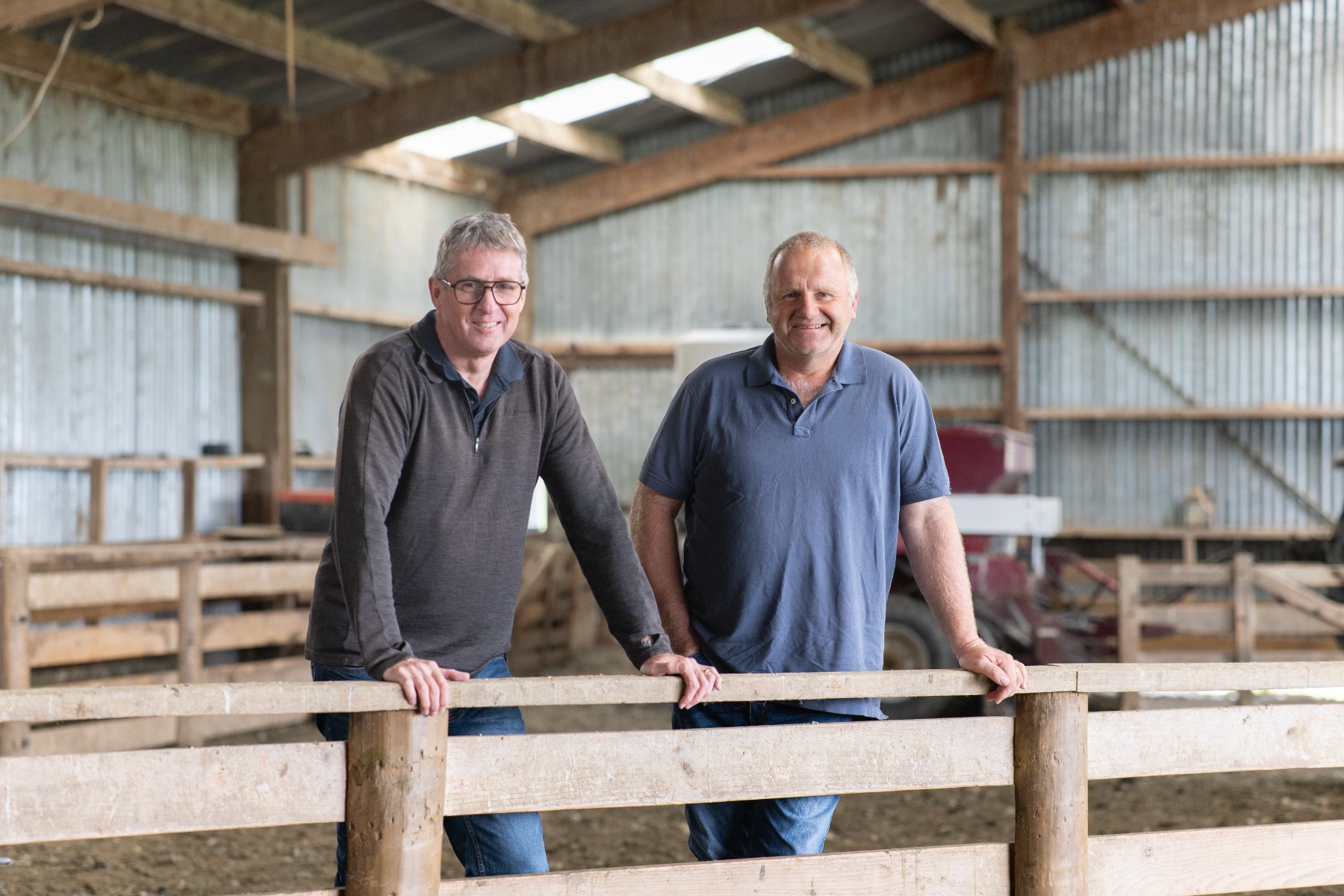
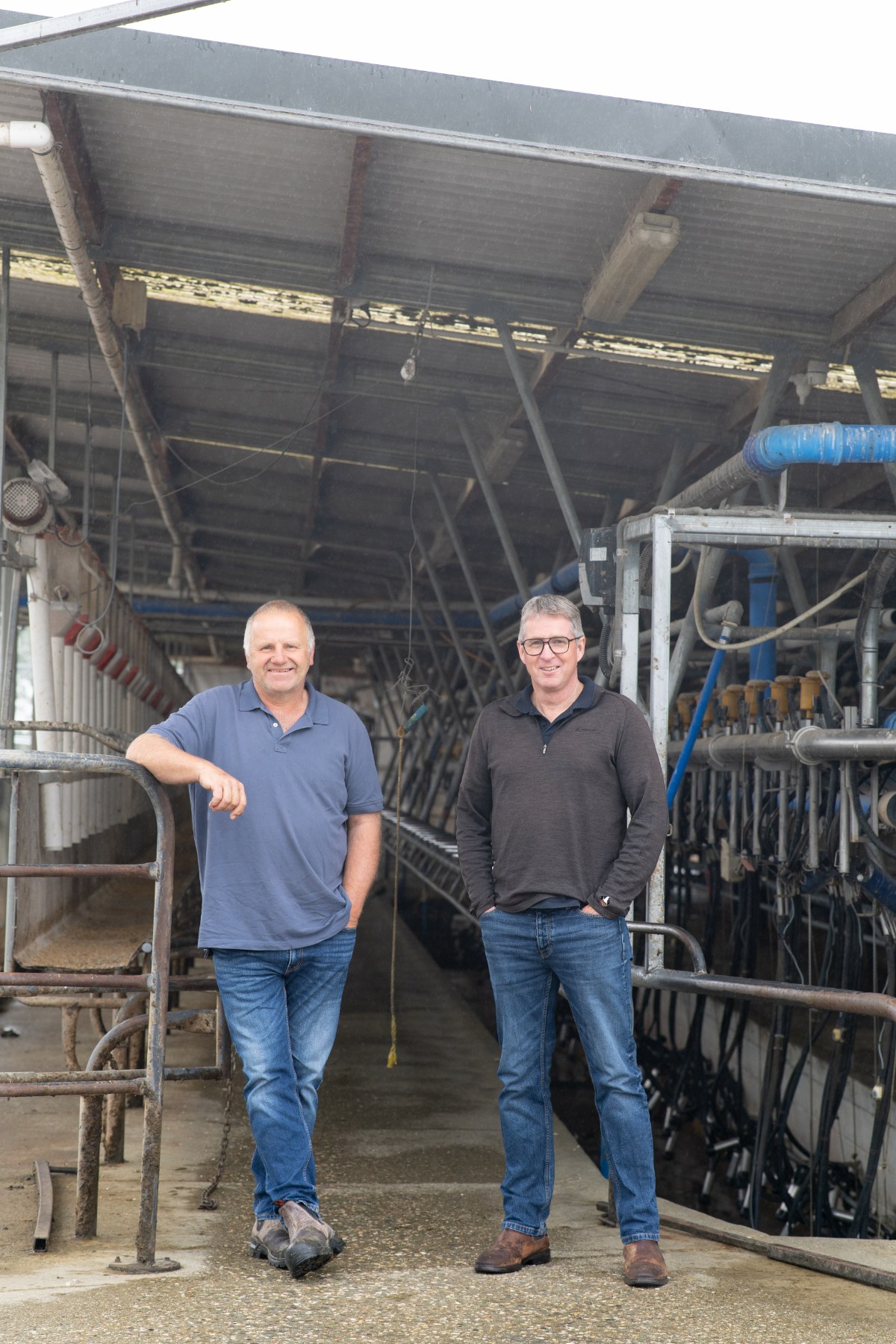
Jeremy McPhail Environment Southland Chair (Eastern-Dome Constituency)
Phil Morrison Environment Southland Deputy Chair (Invercargill-Rakiura Constituency)
“There’s a lot going on,” says Jeremy. “At the moment the Government is saying, ‘you’re out of here’, us as governors, but I know the business is still going to be there.”
Phil agrees. “They’re a unique set of functions around environmental management that the region needs. You don’t want to squander the investment in establishing knowledge, expertise and capabilities.”
Jeremy: “I want to ensure that whatever happens, the community has a really big input into it, and that the structure we end up in, will set Southland up for the future. The other thing for me, is I want to make sure we don’t go backwards, environmentally.”
He says the farming community has done a lot in the past 10 years. “I want to protect what we’ve done. Even if there’s no rules, doing this is good for your community and good for your business. So, do it anyway.”
For Phil, whose army career took him to countries that don’t have democratic systems, he is concerned local democratic government is at risk. “So, I’d like to champion local democracy.”
Together they bring different skills. “We’ve got different knowledge, experience and skillsets, and different networks,” says Phil.
Jeremy describes Phil as structured, a strategic thinker, and a facilitator, and Phil sees his role as a backstop to Jeremy, to help cover any blind spots or capability requirements.
As chair, Jeremy is keen to build a culture around the Council table of transparency and trust and he is strong in the rural community. “I can go talk to a bunch of farmers with credibility and say, ‘I think you should be doing this. I’m doing it, why aren’t you?’”


